Rights · KP
Profiling a people: the security case
In Pakistan's security vocabulary, an entire region can become a category. The people who live there are increasingly treated as potential suspects rather than citizens with rights.
· By My Safe Voice
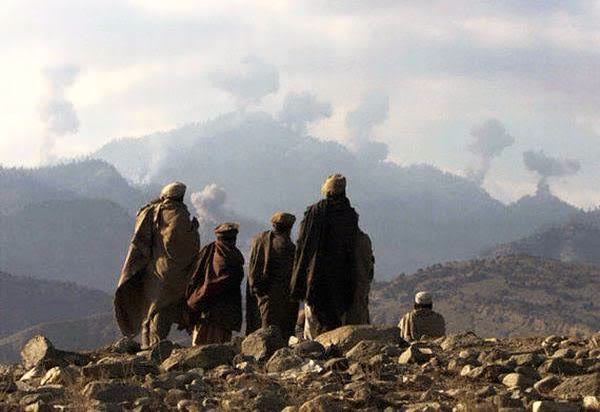
In Pakistan's security vocabulary, an entire region can become a category. The Pashtun belt is described as a zone of militancy, and the people who live there are increasingly treated as potential suspects rather than citizens with rights.
The logic of the "security" frame
When a territory is labelled a conflict zone, ordinary life becomes subject to extraordinary rules: checkpoints, movement restrictions, raids, demolitions, and detention on suspicion. Each measure is justified by the threat. Together they produce a population that is governed through policing rather than law.
Collective punishment is prohibited
International humanitarian law is explicit. Article 33 of the Fourth Geneva Convention states that no protected person may be punished for an offence they did not personally commit, and that collective penalties are prohibited. Pakistan is a party to the Geneva Conventions. The principle is not a foreign imposition; it is a baseline.
Yet families describe punishment that lands on everyone: a village punished for a person it did not shelter, a market closed for a suspect it did not know, a young man stopped because of where he was born.
The cost of being a suspect
Profiling does not only harm the people stopped. It teaches a generation that the state sees them as a threat. It makes documentation harder, because people fear that reporting a disappearance will attract attention to their family. And it makes the demand for rights sound, to some ears, like a confession.
The alternative
Rights groups have long argued that security and rights are not opposites. A state that investigates crimes, rather than places, is both more lawful and more effective. The Pashtun demand is not special treatment. It is the ordinary protection of the law.
Sources
- Geneva Convention IV, Article 33 (prohibition of collective penalties).
- Amnesty International, reporting on collective punishment and disappearances in Pakistan.
- Human Rights Watch, reporting on Khyber Pakhtunkhwa.
- Human Rights Commission of Pakistan, annual reports.