Custody
The 3MPO shortcut: detention without charge
There is a law in Pakistan that allows the state to detain a person for months without charging them. It is not the anti-terror law. It is the Maintenance of Public Order ordinance.
· By My Safe Voice
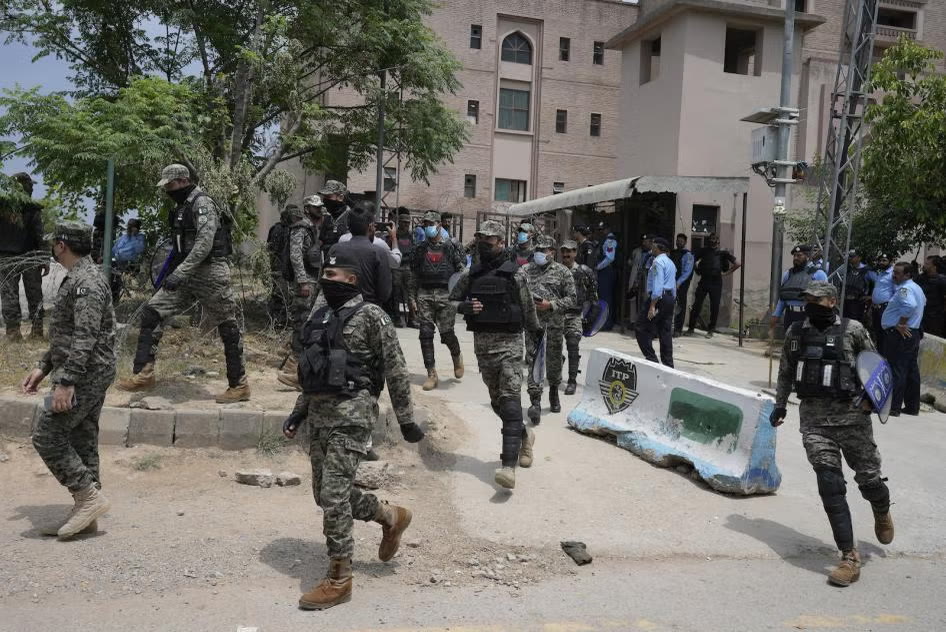
There is a law in Pakistan that allows the state to detain a person for months without charging them. It is not the anti-terror law. It is the Maintenance of Public Order ordinance, and its "3MPO" orders are one of the quietest tools in the box.
What 3MPO means
Under the MPO framework, an administrative order can detain a person for a period, typically three months, on the assessment that their release would disturb public order. The order is renewable. No criminal charge is required, and no trial follows automatically.
Why it is used
Because it is fast and because it is hard to challenge on the facts. A habeas corpus petition can ask a court to review the order, but courts often defer to the executive's assessment of "public order". For activists, journalists and protesters, the effect is a detention that looks lawful while avoiding the trouble of proving a crime.
The pattern
Rights groups have documented the use of preventive detention against people who were never convicted of anything. The order expires, the person is released, and the file closes, often without a charge ever being filed. The detention leaves no conviction to appeal, which is precisely the point.
Why it matters for the disappeared
Administrative detention is not the same as enforced disappearance. But the two sit on a spectrum. In both, a person is held by the state, and the family is left to work out where and why. The difference is that one produces a document, and the other produces silence.
Sources
- Maintenance of Public Order Ordinance, 1960.
- Criminal Procedure Code, Section 491 (habeas corpus).
- Human Rights Commission of Pakistan, reporting on preventive detention.
- Amnesty International, documentation on detention of activists in Pakistan.